|
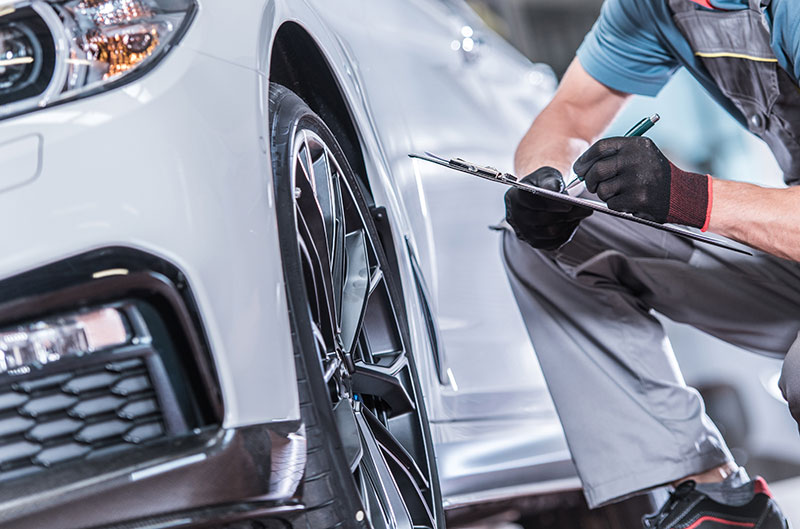
Winter driving places unique stress on your vehicle, even when everything seems to be working normally. Cold starts, rough roads, road spray, and repeated freeze-and-thaw cycles quietly accelerate wear on key systems. A mid-season inspection is designed to catch that wear early, helping you avoid breakdowns, uneven tire wear, and costly repairs as winter conditions continue.
Rather than reacting to warning lights or strange noises, a proactive inspection focuses on the components that take the biggest hit during winter driving.
Tires and Wheels: Pressure, Tread, and Impact Damage
Cold temperatures cause tire pressure to drop, often without drivers noticing. Underinflated tires reduce grip, increase stopping distances, and wear unevenly along the edges. Checking and correcting cold tire pressures to the door-placard specification is one of the most effective safety steps you can take during winter.
A proper tire inspection includes measuring tread depth rather than relying on visual checks. Winter performance declines rapidly as tread wears down, especially on packed snow and slush. Sidewalls should also be inspected for cuts, bulges, or bubbles caused by potholes or hidden road debris. Wheels themselves can bend from impacts, leading to vibration or slow air loss even when tires appear fine.
Alignment and Suspension: Staying Stable on Rough Roads
Potholes and uneven pavement can knock your alignment out of specification with a single impact. Even minor alignment changes can cause rapid tire wear and steering pull that worsens over time.
A mid-season inspection evaluates steering and suspension components such as tie-rod ends, ball joints, control arm bushings, struts, and shocks. Worn components can reduce stability, increase braking distances, and make the vehicle feel loose or unpredictable on rough winter roads. Addressing these issues early helps preserve tire life and restores confident handling.
Brakes: Winter Stress You Don’t Always Hear
Winter driving puts extra demand on braking systems due to slick surfaces and frequent stop-and-go conditions. Slush and moisture can accelerate wear and cause uneven pad contact if caliper hardware is not moving freely.
A brake inspection should include pad thickness measurements, rotor condition, caliper operation, and parking brake function. Grinding noises, vibrations, or pulling during braking often indicate uneven wear that becomes more expensive if ignored. Catching brake issues early helps maintain predictable stopping performance throughout the season.
Battery and Charging System: Cold Starts Matter
Cold temperatures reduce battery efficiency while increasing starting demand. A battery that seems fine in warmer conditions can struggle once winter sets in.
Testing the battery’s health and cold-cranking capability helps identify weakness before it leaves you stranded. Technicians will also check battery terminals for corrosion or looseness and verify that the charging system is maintaining proper voltage. Slow cranking, dim lights, or intermittent warning messages are signs that testing should not be delayed.
Fluids, Belts, and Hoses: Small Issues Add Up
Cold weather thickens fluids and stresses rubber components. A mid-season inspection reviews engine oil condition and viscosity, coolant protection levels, brake fluid moisture content, and power steering or transmission fluid where applicable.
Belts and hoses are checked for cracks, glazing, softness, or leaks at connection points. CV axle boots are also inspected, as a small tear can quickly lead to joint failure if grease escapes. Washer fluid levels and concentration are especially important during winter, when visibility can change quickly.
Visibility and Comfort Systems
Clear visibility is essential in winter driving. Wiper blades wear faster in cold weather and should be replaced if they streak or chatter. Lighting systems are checked for brightness, aim, and proper operation, while cabin air filters and defrost systems are inspected to ensure windows clear quickly and stay clear.
What a Mid-Season Inspection Delivers
A comprehensive winter inspection typically includes:
- Tire pressure and tread measurement
- Brake system inspection
- Steering and suspension evaluation
- Battery and charging system testing
- Fluid checks and top-ups
- Belt, hose, and CV boot inspection
- Wiper, lighting, and defrost performance checks
This approach helps your vehicle remain safe, efficient, and reliable through the remainder of winter and into the next season. Preventive maintenance now reduces unexpected repairs later and keeps driving confidence high when conditions are less forgiving.
For added peace of mind and professional insight into your vehicle’s condition, click the button below to book a service appointment.
Please Note: The details of this article were accurate at the time it was written. Manufacturers may change the details of any vehicle’s specifications at any time without notice.
|