|
Pantry staples make meal planning faster, cheaper, and easier. With the basics on hand, you can build balanced meals without relying on last-minute grocery trips, takeout, or ordering in.
Meal planning doesn’t require expensive ingredients or complicated recipes. The best place to start is by building up your pantry with a few simple basics. When your shelves are stocked with flexible, long-lasting foods, it becomes much easier to mix, match, and improvise meals throughout the week. Here’s a quick guide to help get you started.
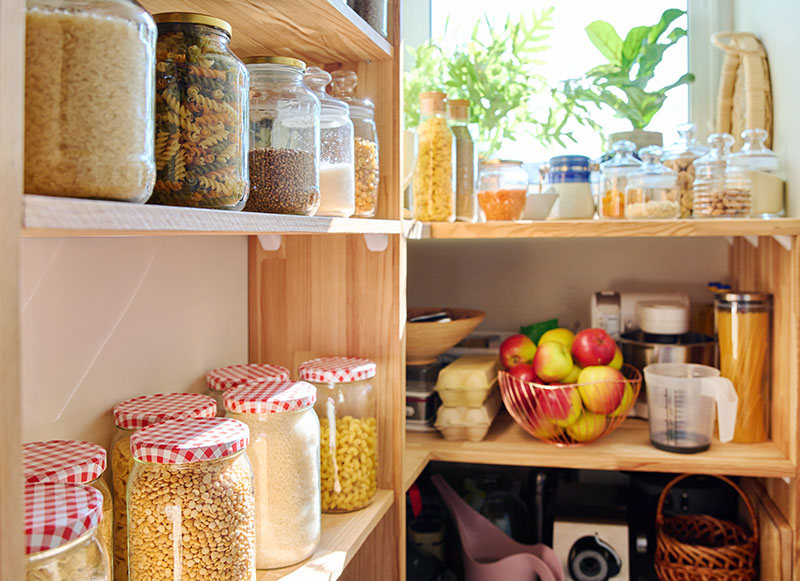
Grains, Grains, Grains
Grains can serve as the foundation for countless meals, and no pantry is complete without them. Rice, pasta, oats, and quinoa can all be cooked quickly or prepared in advance and used throughout the week in various dishes, including bowls, soups, stir-fries, and casseroles. Brown rice and quinoa work especially well for meal prep because they hold their texture and pair easily with vegetables, beans, and sauces. Keeping a few grain options in your pantry ensures you always have a base for quick, filling meals.
Canned Protein Options
Canned beans and lentils are among the most versatile pantry staples you can stock. Black beans, chickpeas, kidney beans, and lentils can all add protein and fiber to a meal with basically zero prep. They work in everything from soups and stews to salads and wraps. Canned tuna is another reliable option for fast lunches and dinners. You can mix it into pasta, use it in sandwiches, or add it to salads to create a balanced meal in minutes.
Broth or Stock
Broth or stock helps transform simple ingredients into comforting, flavourful meals. It can be used to cook grains, build soups, or add depth to sauces and one-pot dishes. Keeping both vegetable and chicken broth on hand offers flexibility for different recipes and makes it easier to turn pantry basics into satisfying meals.
Oils, Sauces, and Spices
A few choice oils and condiments bring your meals to life. Olive oil and coconut oil cover most cooking needs, while vinegars (like balsamic or apple cider), soy sauce, and a good mustard can be used to quickly whip up dressings, marinades, and sauces.
A modest collection of spices will also enhance your cooking range. By adjusting spices, the same pantry ingredients can become Mexican-style, Mediterranean-style, or comfort-food classics. Garlic powder, cumin, chili powder, oregano, cinnamon, salt, and pepper cover a wide range of cuisines.
Snack and Breakfast Staples
In addition to full meals, pantry staples can be used to throw together quick snacks and simple breakfasts. Nut butters, nuts, seeds, granola, and whole-grain crackers make it easy to make something satisfying with very little effort. Nut butter works well in oatmeal, smoothies, and toast, while nuts and seeds add texture and nutrition to salads, yogurt, and grain bowls. Keeping these staples on hand supports simple, balanced eating throughout the day.
Fresh and Frozen Additions
While not technically pantry items, a few key fresh and frozen vegetables can act like an extension of your pantry and enhance your flexibility in the kitchen. Frozen peas and corn are especially useful because they work well in soups, pasta, and rice dishes. On the other hand, some fresh options that keep well in the refrigerator and that can be used to add variety and nutrition to weekly meals include onions, potatoes, and carrots.
A well-stocked pantry will save you time, money, and stress in the kitchen. With the right ingredients on hand, you’re always just a few steps away from a delicious meal.
|