|
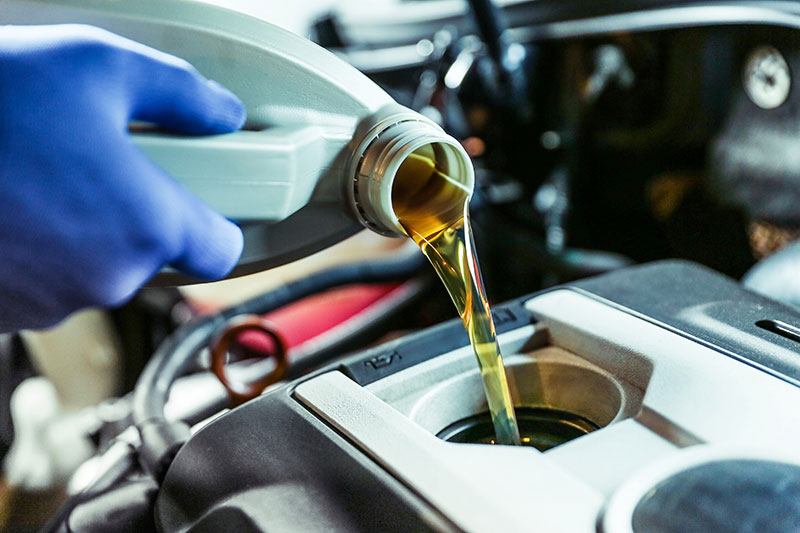
Spring has a way of making every drive feel a little easier. The roads are clearer, temperatures are more moderate, and weekend trips start showing up on the calendar again. That change in season also makes spring an excellent time to book an oil change. After months of cold starts, idling, slushy roads, and stop-and-go winter driving, your engine oil has done a lot of hard work. Replacing it at the start of spring is a simple service that helps protect your engine, support efficiency, and prepare your vehicle for the warmer months ahead.
Why Engine Oil Matters So Much
Engine oil does far more than just lubricate the engine. It forms a protective film between moving metal parts, helping reduce friction where components such as crankshaft bearings, camshafts, pistons, and valvetrain parts operate at high speed and under load. Oil also helps carry heat away from critical internal parts, suspends contaminants so they can be trapped by the oil filter, and helps reduce sludge and varnish formation inside the engine. When oil ages or degrades, it becomes less effective at maintaining that protective barrier, especially under demanding conditions.
Modern engines are built with tighter tolerances, advanced variable valve timing systems, turbochargers in many applications, and highly specific oil viscosity requirements. That means using the right oil grade and replacing it on schedule is especially important. A simple oil change today can help avoid accelerated wear that becomes much more expensive later.
Winter Driving Is Hard on Oil
Many drivers think of winter as being hardest on the battery or tires, but engine oil also takes a beating. Cold-weather starts are particularly demanding because oil is thicker at low temperatures until it reaches operating temperature. During that period, the engine spends more time in a higher-wear condition than it does during a warm start. Add in short trips, extended idling, repeated heat cycles, and moisture accumulation, and winter can be surprisingly harsh from a lubrication standpoint.
Spring is the right time to reset after those conditions. If your vehicle has been through months of cold operation, road grime, and severe-use driving patterns, fresh oil and a new filter provide a clean baseline heading into a season when many vehicles start seeing longer highway trips and heavier use.
Oil Changes Are About More Than the Oil
A proper oil change service is also an opportunity for a broader vehicle health check. Manufacturer service schedules commonly pair oil changes with inspections of tire tread depth and wear patterns, brakes, filters, lights, wipers, and other basic systems. In practice, that means an oil change appointment often catches small issues before they become larger ones.
That matters in spring because other winter-related wear often starts showing itself around the same time. Wiper blades may be torn or hardened, tires may show uneven wear, brake components may have corrosion, and underbody areas may still be carrying debris and salt residue. A routine visit gives technicians a chance to spot these concerns while the vehicle is already in the shop.
Why the Filter Deserves Attention Too
An oil change is not complete without the filter. As oil circulates through the engine, it picks up microscopic particles from combustion byproducts, normal wear, and contamination. The oil filter captures much of that material, but over time it becomes loaded and less effective. Replacing the oil without replacing the filter leaves an old component in place that may already be nearing the end of its useful service life. That is why many maintenance schedules specifically call for both engine oil and filter replacement together.
This is especially relevant for vehicles that see frequent short trips, towing, stop-and-go traffic, or seasonal extremes, since those driving patterns can accelerate the need for maintenance. A fresh filter helps your new oil stay cleaner and do its job properly from the first kilometre onward.
Timing Matters More Than Many Drivers Realize
One of the easiest maintenance mistakes to make is assuming that oil only needs attention based on distance driven. In reality, service schedules are often based on time or distance, whichever comes first. Regular service intervals often include oil and filter replacement depending on model and service interval. That time-based element matters because oil continues to age with heat cycles, moisture, and use even if the odometer has not climbed dramatically.
For drivers who put fewer kilometres on their vehicle in winter, spring can be the moment when the calendar matters more than the mileage. Booking service before road trip season begins is a smart way to avoid carrying old oil deeper into the year.
Spring Driving Brings New Demands
As temperatures rise, many vehicles transition from short urban winter trips to longer drives, heavier cargo loads, family outings, and highway travel. Those uses place different demands on the engine. Fresh oil helps support proper lubrication at sustained operating temperatures and can contribute to smoother engine operation. Keeping up with maintenance also helps ensure your vehicle is ready for increased spring and summer use without avoidable wear building in the background.
This is also the time of year when many drivers combine services. An oil change appointment can line up well with a tire changeover, brake inspection, filter check, and a general seasonal once-over. From a convenience standpoint, it makes sense. From a vehicle-care standpoint, it is one of the easiest ways to start the season confidently.
Signs You Should Not Delay
Even if you are unsure where you stand on mileage, a few signs should move an oil change higher on your to-do list. Dark, dirty oil, an overdue maintenance reminder, louder engine operation, or uncertainty about your last service date are all good reasons to have your vehicle checked. For vehicles with manufacturer monitoring systems, it is still wise to have a technician confirm the condition of the oil and ensure all scheduled inspection items are being handled, not just the fluid itself.
Routine oil service is one of the most cost-effective ways to protect the heart of your vehicle. It supports long-term engine durability, gives your service team a chance to inspect key systems, and helps set you up for smooth, worry-free spring driving. Click the button below to book a service appointment.
|