|
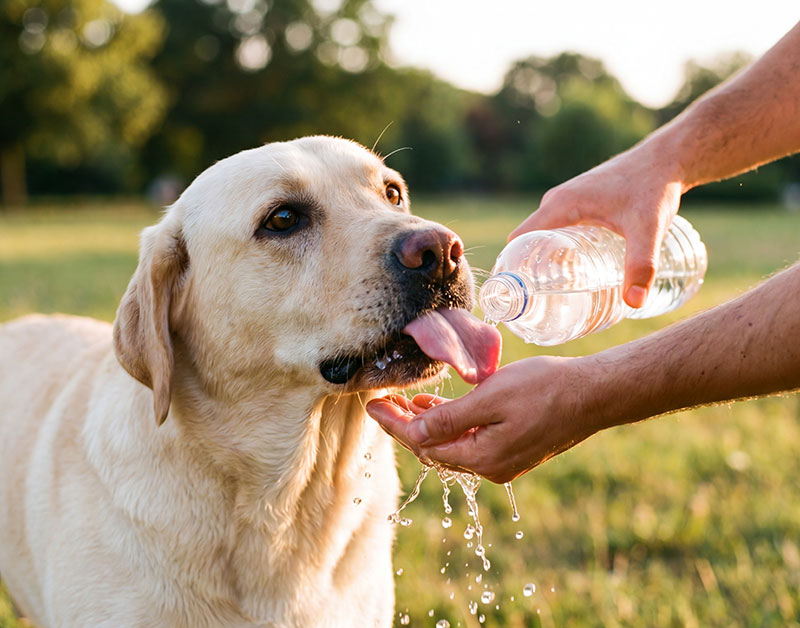
Summer heat can pose serious risks for the pets in our homes. Learn how to keep dogs, cats, and small animals cool, comfortable, and safe with practical tips for the year’s warmer months.
Summer is a great time for humans and pets alike to enjoy longer days, plenty of sunshine, and warmer temperatures. However, once those temperatures climb too high, they can pose a serious health risk for humans and pets alike as well. Plus, unlike people, pets often have limited ways to cool themselves down, making them vulnerable to overheating and heat-related illnesses. It’s important to take a few precautions to keep them comfortable and safe.
One of the most important things pet owners can do is ensure constant access to fresh, cool water. Water bowls should be checked frequently and refilled as needed. Providing access to shade is equally important. If pets spend time outdoors, they should always have a place where they can escape direct sunlight. Trees, covered patios, shelters, and other shaded areas can all help prevent overheating.
Dogs are usually the main concern when it comes to summer heat because they spend so much time outdoors with their owners on walks, hikes, trips to the dog park, and backyard play sessions. One of the easiest ways to protect dogs is to adjust the times that you go outside, especially for high activity. Early morning and evening walks are typically a better idea than heading out into the hottest part of the day.
Most importantly, never leave a dog unattended in a car. Even on relatively mild days, temperatures inside a parked car can rise rapidly, and cracked windows make very little difference. It’s best to leave your dog at home or make alternative care arrangements.
Somewhere you definitely should take your dog on a hot day to cool down is to a dog park with access to water, like a lake or a river. If your dog isn’t a strong swimmer or if you don’t have a good park nearby, then simply setting up a kiddie pool or a sprinkler in your yard can provide play, exercise, and relief from the heat.
Unlike dogs, cats are often more independent when it comes to managing the heat and are usually good at seeking out cool places. Even so, you should make sure they have a cool and well-ventilated room where they can be comfortable during a heat wave. Because cats can be reluctant drinkers, hydration is extra important. Providing multiple water bowls throughout the home or even setting up a water fountain can help entice them to drink.
Small animals like rabbits, guinea pigs, hamsters, and birds can be sensitive to warm temperatures as well. They also have less ability to move away from heat on their own, as they are often confined. Their cages and enclosures should be kept in well-ventilated areas out of direct sunlight.
Finally, make sure you familiarize yourself with the signs of heat exhaustion and heatstroke in animals. If your pet is experiencing excessive panting, drooling, weakness, lethargy, vomiting, difficulty breathing, and disorientation, keep them as cool as possible and see a vet as quickly as you can.
Pets can have a wonderful time in the summer as long as their simple needs are looked after. By just being mindful and attentive to those needs, you can help your furry companions stay safe, healthy, and comfortable all season long.
|