|
Want to add more flavour to your cooking? Learn how to use fresh herbs to brighten your meals with tips for cooking, pairing ingredients, and adding that finishing touch to everyday dishes.
Using fresh herbs is one of the simplest ways to brighten up your everyday cooking. Even a small handful of chopped herbs can transform a basic dish into a more vibrant and layered creation. Best of all, learning just a few basic techniques can help you make the most of these flavourful ingredients.
Preparing Fresh Herbs for Cooking
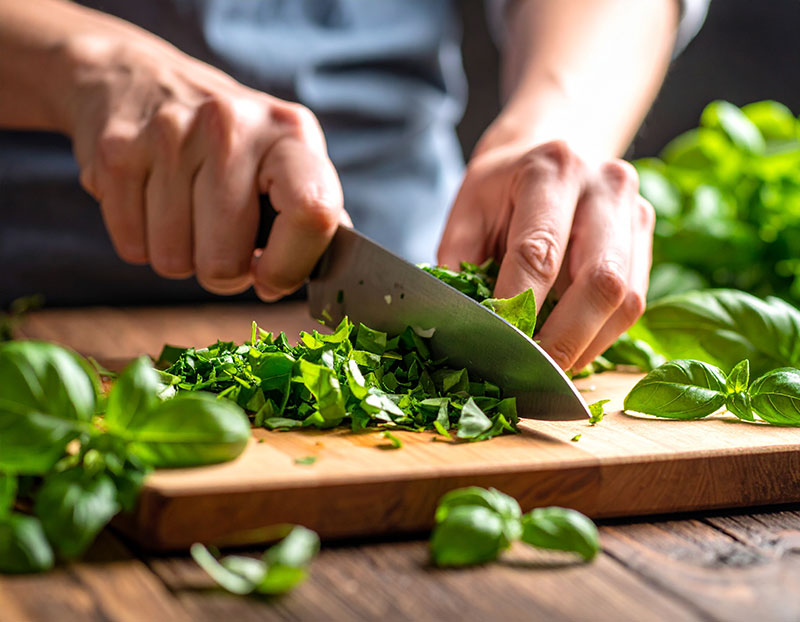
To clean fresh herbs, gently wash them under cool running water to remove any dirt, then pat them dry. Next, finely chopping the herbs will help release the natural oils that are responsible for their fragrance and taste. A sharp knife will work best to cut cleanly without any bruising.
Everyday Ingredient Pairings
Herbs pair naturally with many common ingredients that you likely already use every day. Basil, for example, works beautifully with tomatoes, pasta dishes, and roasted vegetables. Dill complements fish, potatoes, and green beans, while mint brings freshness to peas, carrots, fruit salads, and even beverages. Parsley is one of the most versatile herbs and can be added to salads, egg dishes, soups, and roasted vegetables.
Understand When to Add Herbs In
Not all herbs cook the same way. Hardier herbs like rosemary, thyme, oregano, and sage hold up well and can be added earlier in the cooking process. They are commonly simmered in soups, sauces, and stews. On the other hand, tender and delicate herbs like basil, parsley, cilantro, dill, mint, and chives are best added near the end to preserve their bright flavour and keep their aroma fresh and noticeable.
Sometimes the best way to use herbs is not to cook them at all but to simply sprinkle them over a finished dish. A handful of chopped parsley over roasted potatoes, basil over pasta, or cilantro over tacos will allow their freshness to balance the heavier ingredients.
Adding Herbs to Oils and Butter
Fresh herbs work especially well when mixed with fats like oil or butter, as this better distributes their flavour throughout the dish. They can be blended with olive oil to create a simple herb oil for dipping bread or drizzling over finished dishes. Herb butter is another easy option. Simply mix chopped herbs with softened butter and spread on bread, grilled vegetables, fish, or steak.
How to Store Fresh Herbs
Proper storage will keep your herbs usable for several days. One common method is to treat herbs as you would flowers and place them in a jar with a small amount of water. Delicate herbs like mint and basil should be kept at room temperature, while others can be stored in the fridge. Alternatively, you can simply wrap herbs loosely in a slightly damp paper towel and place them in a plastic bag or container in the refrigerator.
Let Yourself Experiment!
As you become more familiar with different herbs, you can try pairing different flavours together and seeing which combination you like. Adding herbs to scrambled eggs, grain bowls, roasted vegetables, soups, or salads is an easy way to start experimenting.
Fresh herbs can be one of the most versatile and useful ingredients in your kitchen. They are a great way to brighten up simple meals and elevate your everyday cooking.
|