|
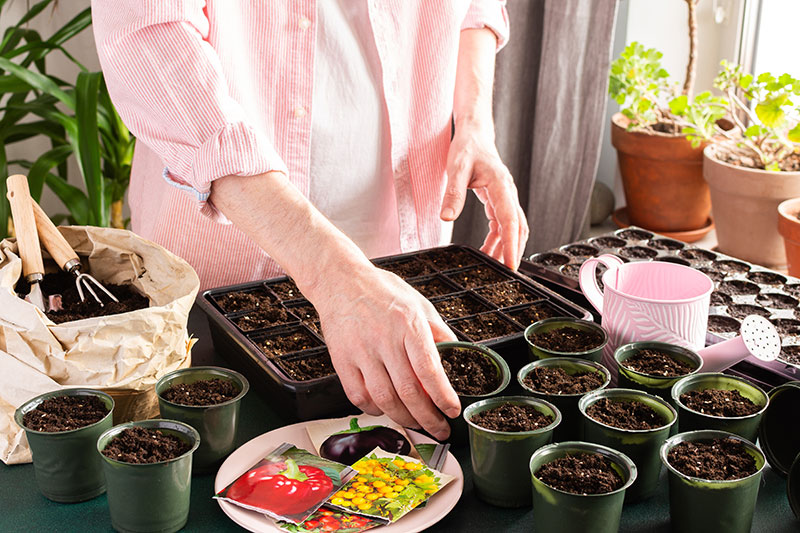
Is your green thumb itching to come out after winter? Get a head start on your garden before seeds go in the ground with some early-season projects that will set the stage for later success.
With the weather getting nicer, you’re probably looking forward to gardening again. Well, even if it’s a bit too early to do much, if any, planting, there’s always plenty of prep work that can help make things easier for you later on. Spring is the perfect time to tackle a few projects for a smoother and more productive growing season, including these top suggestions.
Plan Your Garden Layout
One of the most important early-season projects doesn’t even require you to work outside! Taking the time to plan the layout of your garden, even with just a few simple sketches, can help prevent issues later in the season. Planning ahead allows you to consider factors like plant spacing and sun exposure before anything goes into the ground. It also ensures that you will be ready to plant as soon as the weather allows.
Start Seeds Inside
Starting seeds indoors gives plants a head start before outdoor conditions are warm enough for growing, allowing you to extend your season. Use a loose potting mix, provide plenty of light, and make sure containers drain well. Your plants will then be ready to transplant once frost danger passes. Some plants that are commonly started indoors include tomatoes, peppers, eggplant, lettuce, and cabbage. Many annual flowers also benefit from early indoor seed starting.
Refresh Your Compost Pile
Early spring is also when you want to revive a compost pile that has slowed down over winter. All this really entails is turning over the material to add oxygen and aid in decomposition as temperatures rise. It’s a good idea to check the moisture levels as well: ideally, compost should be slightly damp but not too soggy.
If you don’t have a compost pile and want to start one from scratch this year, then simply begin by layering “green” materials such as vegetable scraps and grass clippings with “brown” materials like dried leaves, straw, or shredded paper.
Improve Your Soil
A productive garden needs healthy soil, so pay some attention to your soil condition before the plants go in the ground. One of the first things you can do once the soil is workable is to add in some organic matter, like aged manure or compost from your own compost pile, to boost its nutrient levels.
If you want to take it a step further, this is also a good time for a soil test. Information on your soil’s nutrient levels and pH can help you decide whether additional amendments or fertilizers might be needed before planting begins.
Prepare Garden Beds
Preparing your garden beds ahead of time will make it much smoother and more enjoyable when you begin planting. Fallen leaves and twigs, dead plant material, and other debris can all block sunlight and harbour pests and disease, so clear everything out for a healthier growing environment. Take this time to look for and repair any winter damage to raised beds, trellises, fences, and garden edging as well.
Early spring gardening projects are all about effective preparation. Before your garden fully awakens, these small tasks can lay the groundwork for a successful season.
|