|
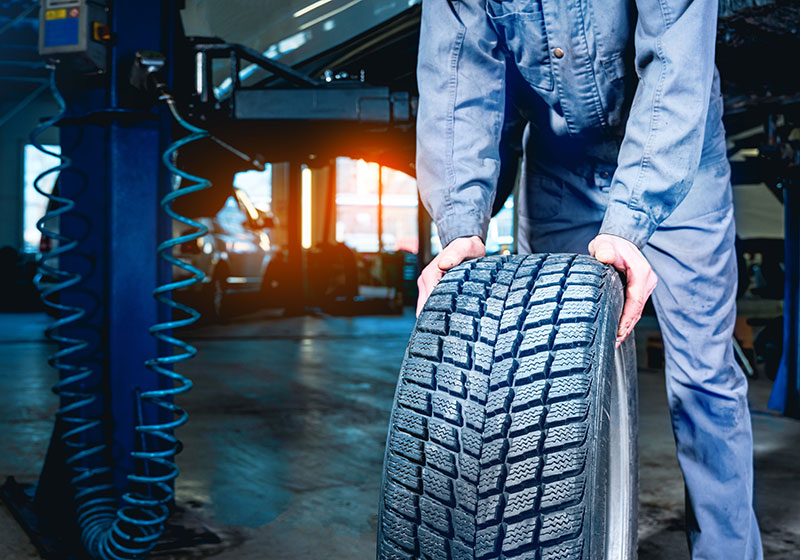
Seasonal tire changes are often thought of as a quick, routine task. Wheels come off, wheels go on, and you are back on the road. In reality, a proper tire swap is one of the most important service visits of the year. It is a key opportunity to protect your tires, your suspension, and your overall vehicle safety while catching issues that tend to develop quietly over months of driving.
A professional tire change is about far more than convenience. It is about ensuring that your vehicle performs the way it was designed to, especially when road conditions are demanding.
Why Seasonal Tires Matter in the First Place
Winter tires are engineered with a softer rubber compound that remains flexible in cold temperatures. That flexibility allows the tread blocks to conform to the road surface, improving traction on snow, ice, and cold pavement. All-season tires, by comparison, harden as temperatures drop, reducing grip and increasing stopping distances.
Seasonal tire changes are not just about traction. They also help manage wear. Using winter tires only when conditions call for them prevents excessive wear in warmer temperatures, extending their usable life and maintaining their performance characteristics.
Tire Pressure and Load Ratings Are Not Optional
Cold temperatures cause tire pressure to drop. Even a few PSI below specification can reduce stability, increase braking distances, and cause uneven tread wear. During a proper tire swap, technicians check and adjust cold tire pressures to match the vehicle placard, not the number printed on the tire sidewall.
Load rating and speed rating are also verified. Vehicles equipped with heavier drivetrains, larger brakes, or higher curb weights rely on tires that meet specific load requirements. Installing incorrect tires can compromise handling and durability, especially under braking and cornering.
Wheel Condition and Hidden Damage
Wheels take a beating over the season. Impacts with potholes or road debris can bend rims just enough to cause vibration, slow air leaks, or uneven tire wear. These issues are often missed during casual inspections.
During a professional tire change, wheels are inspected for:
- Bent or cracked rims
- Corrosion around bead seats that can cause air loss
- Damage to valve stems and pressure sensors
- Improper previous repairs
Catching wheel issues early can prevent repeated balancing problems and premature tire failure.
Proper Torque and Installation Technique
Wheel installation is a precision task. Each vehicle has specific torque requirements for wheel fasteners, and those specifications are not interchangeable. Over-torqued fasteners can stretch studs and damage brake components. Under-torqued fasteners can allow wheels to loosen, creating a serious safety risk.
Professional installation ensures that wheels are mounted using a calibrated torque wrench in the correct pattern. Many manufacturers also recommend re-torque checks after driving a short distance, especially following seasonal tire changes.
Balancing for Ride Quality and Component Protection
Tires that are not properly balanced create vibration that travels through the steering wheel, suspension, and drivetrain. Over time, this vibration can accelerate wear in wheel bearings, steering components, and suspension bushings.
Seasonal tire swaps typically include dynamic balancing, which accounts for both vertical and lateral imbalance. This is particularly important for modern vehicles with sensitive steering systems and advanced driver assistance features that rely on precise wheel speed data.
Alignment and Suspension Considerations
Seasonal tire changes are an ideal time to assess alignment and suspension condition. Potholes and uneven road surfaces can knock alignment out of specification without obvious symptoms at first.
Even small alignment issues can:
- Cause rapid tire wear
- Reduce straight-line stability
- Increase steering effort
- Negatively affect braking performance
Technicians also inspect steering and suspension components such as tie-rod ends, ball joints, control arm bushings, and struts. Worn components can compromise handling and reduce the effectiveness of your tires, no matter how new they are.
Brake and Hub Area Inspection
With the wheels removed, technicians have direct access to brake components that are otherwise hidden. This allows for quick checks of brake pad thickness, rotor condition, and caliper operation.
Uneven pad wear can indicate sticking calipers or slide pins, which often worsen during cold, wet driving. Catching these issues during a tire swap helps prevent noise, vibration, and reduced braking performance later.
Tire Pressure Monitoring Systems and Electronics
Modern vehicles rely heavily on tire pressure monitoring systems to alert drivers to unsafe conditions. During seasonal tire changes, TPMS sensors are inspected for damage and battery condition, and the system is relearned or recalibrated as required.
A properly functioning TPMS ensures accurate warnings and avoids nuisance alerts caused by incorrect sensor placement or calibration.
Tire Storage and Long-Term Protection
If you store off-season tires, proper handling matters. Tires should be cleaned, marked for position, and stored in a cool, dry environment away from direct sunlight and heat sources. Incorrect storage can accelerate rubber degradation and reduce tire lifespan.
Many service departments offer tire storage that controls temperature and humidity while keeping tires organized and ready for the next changeover.
Why Professional Tire Service Pays Off
Seasonal tire changes are one of the few service visits that directly affect nearly every aspect of vehicle performance, including traction, braking, steering, ride comfort, and efficiency. When done properly, they protect your investment in tires and help prevent secondary damage to suspension and braking systems.
Treating tire swaps as a comprehensive service, rather than a quick task, leads to safer driving and more predictable vehicle behaviour throughout the season.
For confidence that your tires and vehicle are ready for the road ahead, click the button below to book a service appointment.
Please Note: The details of this article were accurate at the time it was written. Manufacturers may change the details of any vehicle’s specifications at any time without notice.
|