|
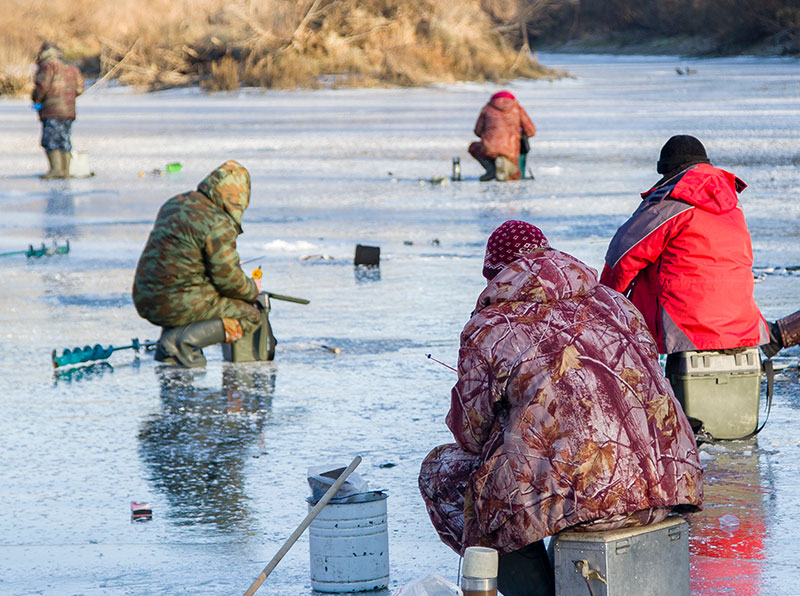
Late winter offers rewarding ice fishing, but changing conditions mean this time requires some extra awareness and know-how. With the right strategies, you can still find lots of success.Late winter offers rewarding ice fishing, but changing conditions mean this time requires some extra awareness and know-how. With the right strategies, you can still find lots of success.
As the days grow longer and spring starts knocking at the door, it can be tempting to squeeze in just “one more day” out on the ice. Plus, late ice can deliver some fantastic fishing. However, it’s also a time when conditions can change very quickly and risk can stack up. If you’re planning to chase fish late in the season, here’s what you need to know.
What Makes Late Ice Different
Late-season ice fishing is unique because the ice itself is changing. The thick, solid surface that has been supporting you throughout the season begins to weaken as temperatures increase and sunrise lengthens. Ice can deteriorate from within, become rotten, or thin unpredictably, and open water can appear seemingly overnight. It’s important to be mindful of this each time you head out.
Remember: Prioritize Safety Above All
No matter how eager you are to get fishing, safety should always come first. Review these safety tips before setting foot on the ice:
- Always go with a buddy—Fishing late ice alone increases your risk if something goes wrong.
- Let someone know your plans—Even if you go with a buddy, it’s important for someone else to know where you have gone and when you expect to return.
- Carry safety gear—As you would all season long, you should pack ice picks, a long rope, and a spud bar with you out on the ice.
- Test the ice as you go—Use your spud bar to test the ice when you head out and head back, as conditions can change over time.
- Wear buoyant gear—A life jacket or chest waders can save your life in the event that you do break through the ice.
Don’t push your luck if you find questionable ice. If the ice seems inconsistent or you see open water, then it’s time to pack it up and start prepping for open-water fishing.
Where the Fish Go in Late Season
By prioritizing safety, you can still get out there and have a successful day of fishing, if you know where to look. Fish behavior changes with the seasons. As winter eases into spring and the days become longer, the fish start moving toward shallow waters and tributaries. However, their behaviour can be irregular, and they may make several “false starts” before settling in. Experienced anglers often recommend starting in deeper water and gradually moving shallower over the course of the day.
Late Season Gear and Tactics
Late-season fishing doesn’t require a complete overhaul of your winter setup, but it does help to have a flexible approach. A mix of techniques, like tip-ups and jigging rods, gives fish more chances to find your bait as they move around. Running multiple lines to cover different depths and presentations will have you covered nicely. Late-season fish can also be more aggressive and willing to chase larger offerings. Consider starting with larger jigs tipped with bait or plastics and downsize if you aren’t getting a response.
Just don’t forget that while the fish are changing, the ice is too. Make sure you respect the changing conditions to ensure a safe trip and happy memories.
|